
In our interconnected digital world, it is essential to understand the energy consumption and environmental impact associated with various internet activities. This article explores the energy requirements of common online actions, such as sending emails, browsing the web, and utilizing data centers, shedding light on the environmental consequences that arise from our digital interactions.
The Carbon Footprint of Emails
Surprisingly, a one-megabyte email throughout its life cycle emits approximately 20 grams of CO2. This is equivalent to the emissions produced by an old 60-watt lamp illuminated for 25 minutes. When considering the average of twenty emails sent per day by a user over a year, the cumulative CO2 emissions are comparable to those generated by a car traveling 1000 kilometers.
Energy Demands of Data Centers
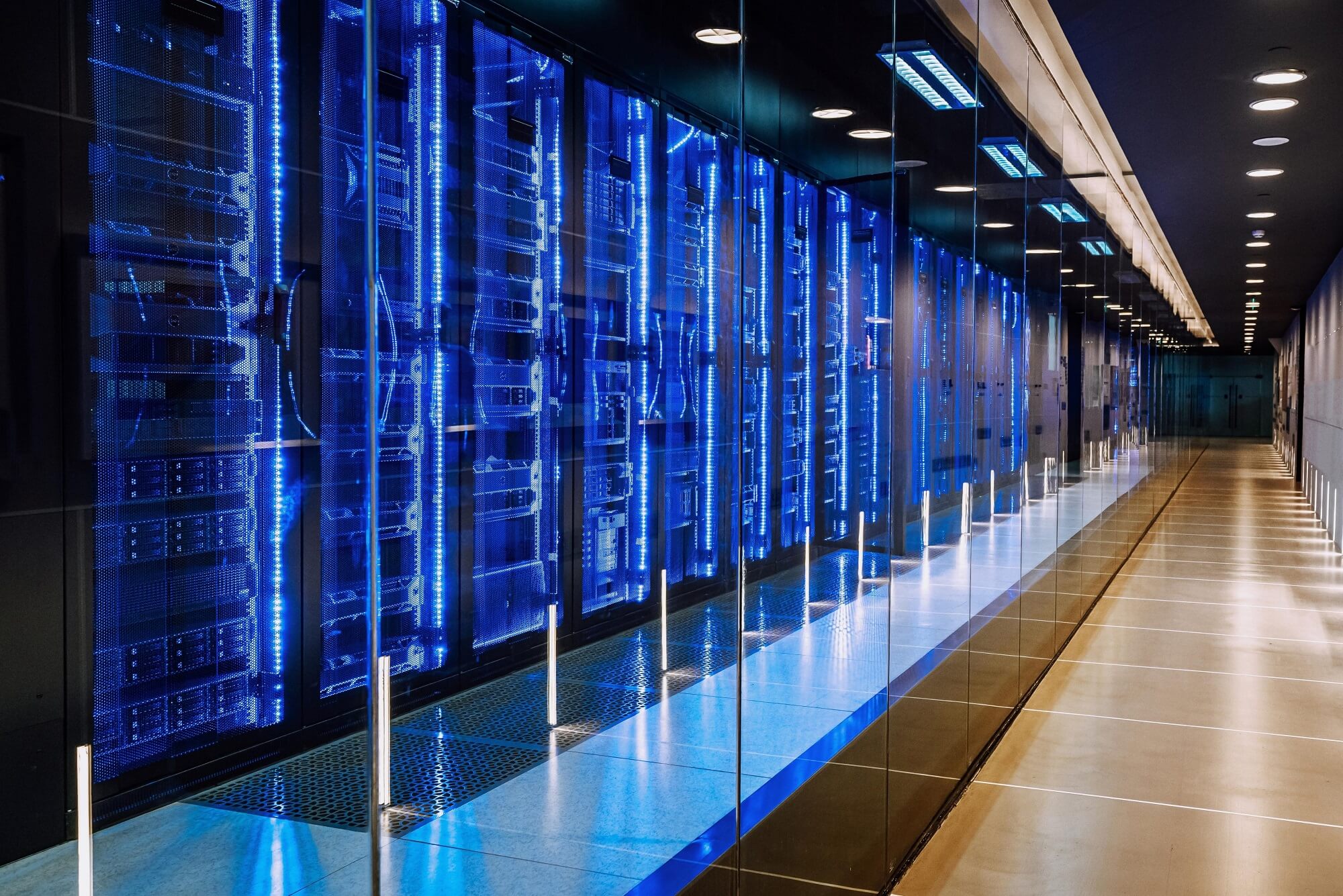
Data centers, the backbone of our digital infrastructure, consume significant amounts of energy. A single router alone consumes 10,000 watts (10 kW), while large-scale data centers can approach 100 million watts (100 MW), akin to one-tenth of the output of a thermal power station. Additionally, the cooling requirements for the electronic circuits within data centers necessitate air conditioning, further contributing to their energy consumption.
Environmental Impact of Web Searches
Performing a web search for a specific web address accounts for approximately 3.4 watt-hours (0.8 g CO2 equivalent). However, when considering an internet search yielding five results, the total emissions rise to 10 grams of CO2. Extrapolating the average of 2.6 web searches per day, an individual's yearly emissions from web searches alone can amount to 9.9 kg of CO2 equivalent.
Web Browsing's Annual Energy Consumption
An average internet user requires approximately 365 kilowatt-hours (kWh) of electricity and 2,900 liters of water per year while browsing the web. This energy consumption is comparable to the emissions produced by traveling approximately 1,400 kilometers by car.
Why Does Internet Electricity Consumption Remain High?
The excessive electricity consumption associated with internet operations can be attributed to various structural and design factors:
Oversized web infrastructures, such as routers, are designed to handle peak usage, resulting in energy inefficiencies when operating at lower capacities. These devices consume significant energy even during inactive periods, with no provision for off-peak shut down.
Many applications developed for smartphones prioritize quick market release over optimization, leading to increased battery drain and frequent recharging requirements.
Broadband boxes installed in homes operate continuously, lacking a power button for convenient shutdown. The initialization process, lasting around 90 seconds, is believed to inconvenience users who prefer immediate connectivity.
As we navigate the digital landscape, it is crucial to be aware of the energy requirements and environmental impact associated with our online activities. From sending emails to browsing the web, each action contributes to our carbon footprint. By understanding these implications, we can adopt more sustainable practices, promote energy-efficient technologies, and advocate for eco-friendly developments in the digital realm. Let us strive for a responsible and energy-conscious approach to our online interactions, fostering a greener and more sustainable digital future.